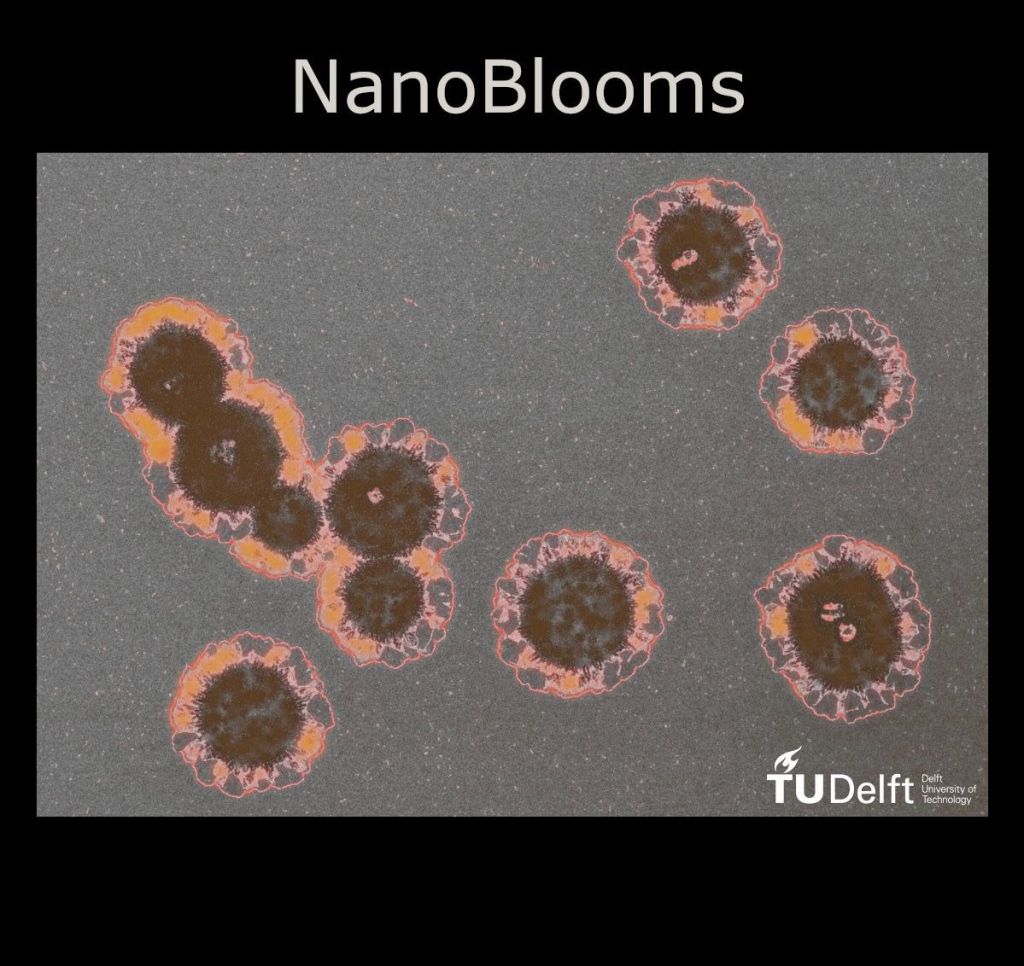
Vasiliki Giagka recently returned to MRS in Boston, where she kicked off a session on neuroelectronic interfaces with a talk on robust and conformal hybrid electronics. In addition, the group’s work NanoBlooms was selected among the 50 finalists of the Science as Art competition.
These beautiful blooms were created during a Friday afternoon experiment of Maria Camarena Perez while experimenting with the graphene growth on molybdenum catalysts and are planted on a SiO2 “soil”.
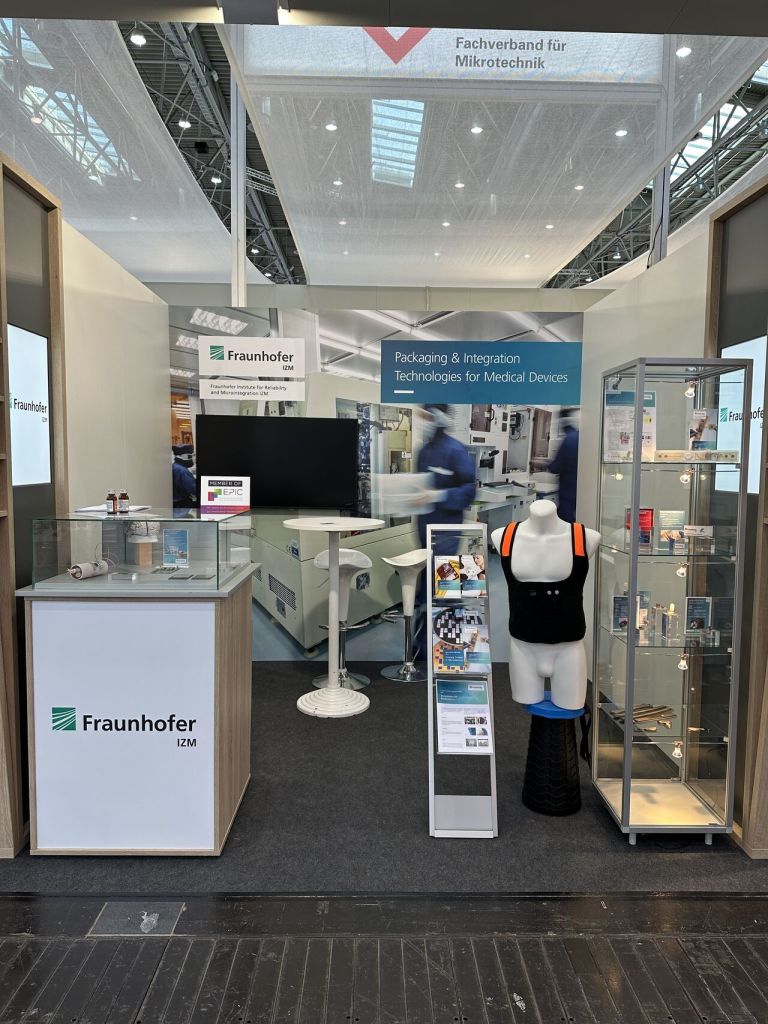
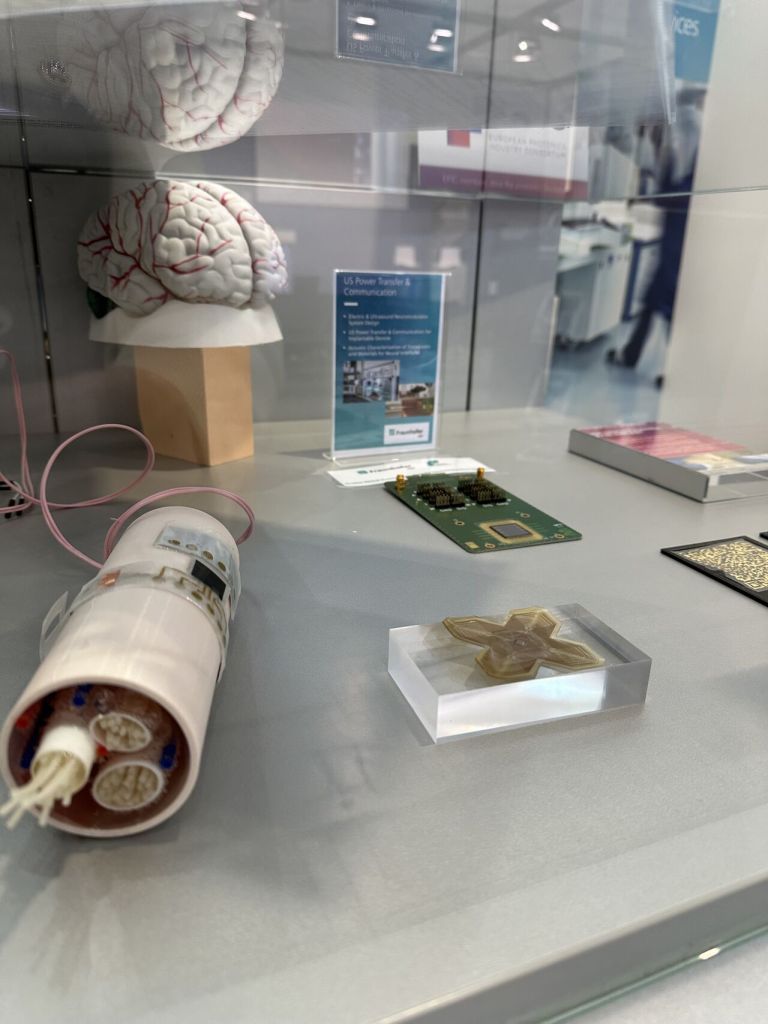
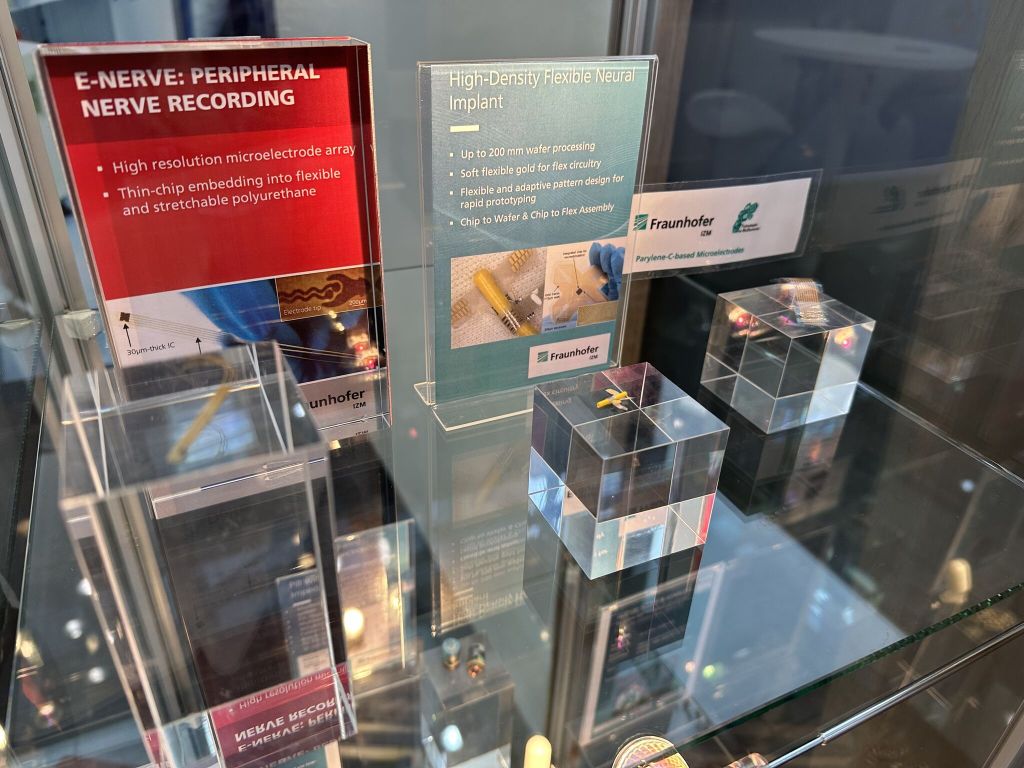
Andrada Velea will be attending COMPAMED in Düsseldorf, representing the Technologies for Bioelectronics Group together with colleagues from Fraunhofer IZM. Visitors working in the field of neural interfaces are invited to stop by and connect.
The team will be available at Hall 8a / H29-2 to discuss topics including flexible electrodes, soft and conformal encapsulation for active implants, and the use of ultrasound in next-generation neural interfaces.
We look forward to engaging with the community and exchanging ideas at COMPAMED.
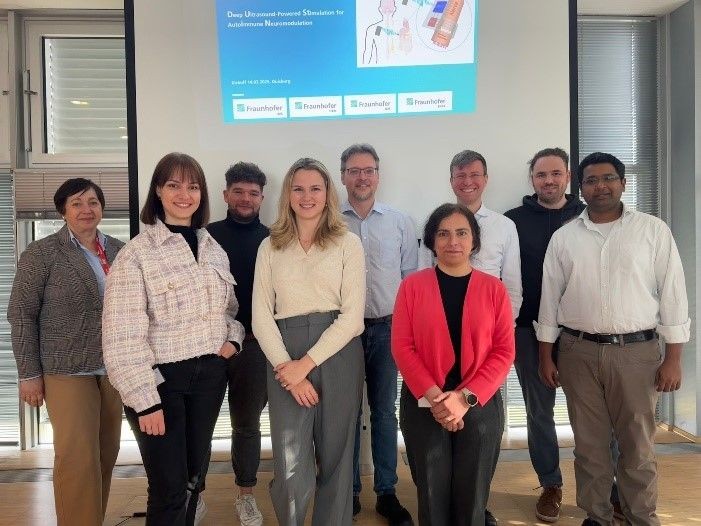
This project explores a new approach to the treatment of autoimmune diseases through a miniaturized, wireless, and battery-free implant. Developed in collaboration with the Fraunhofer Institutes IMS, ENAS, IZM, and ITEM, the system is designed to stimulate small nerve branches deep inside the body, directly at the target site and without systemic side effects.
By enabling precise stimulation of even the smallest nerve branches, this technology opens up new therapeutic possibilities beyond conventional drug-based treatments. It also highlights the potential of interdisciplinary research at the intersection of microelectronics, ultrasound technology, and biomedical engineering.
Project members from left: Tatjana Fedtschenko, Andrada Velea, Stefan Bol, Kira Heinrich, Dr. Ulrich Froriep, Dr. Nooshin Saeidi, Prof. Karsten Seidl, Lukas Holzapfel, Karman Selvam
Within the project, Fraunhofer IMS develops the microchip for control, stimulation and wireless communication, Fraunhofer ENAS contributes micro-electromechanical ultrasound transducers for energy and data transfer, Fraunhofer IZM develops biocompatible and flexible housings and electrodes, and Fraunhofer ITEM evaluates the system under realistic testing conditions.
At IEEE Engineering Medicine and Biology Society 2025 in Copenhagen, the session on Conformal Neural Interfaces: Technologies and Applications led to thoughtful discussions on the future of neuroelectronics. Vasso Giagka showcased the promise of long-lasting, high-density conformal neural interfaces built with medical-grade polymers. An approach that closely alignes with the vision of the SPARCLE Consortium.
SPARCLE is proud to contribute to this evolving field, where bioelectronic medicine is becoming softer, smarter, and more seamlessly integrated into the body.
This project has received funding through the Xecs research and innovation program, supported by national funding authorities under the coordination of Eureka.
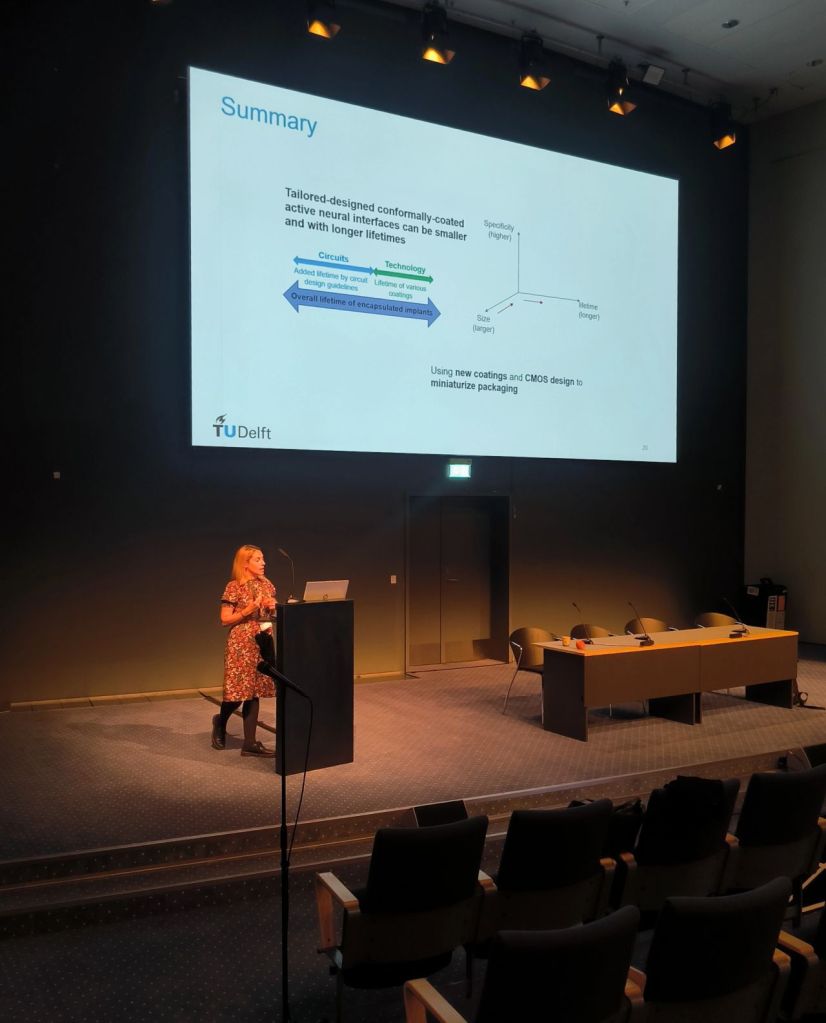
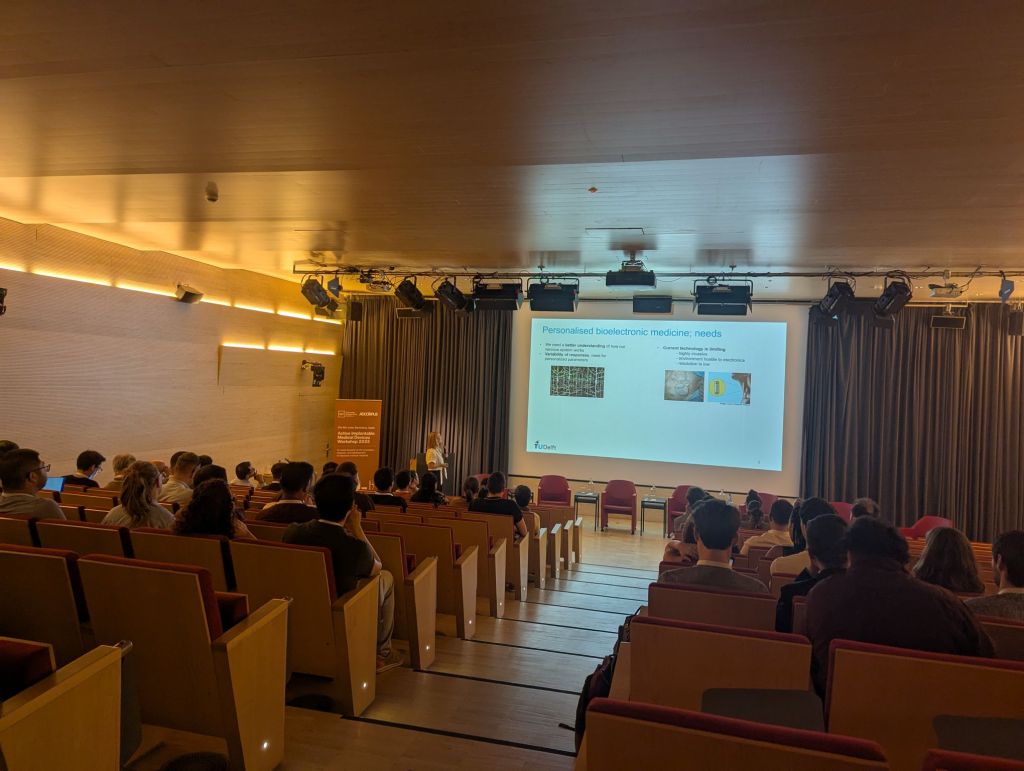
At the Active Implantable Medical Devices (AIMD) Workshop 2025 in Barcelona, Vasso Giagka presented recent advances in soft and active neuroelectronics, with a focus on conformal coating technologies, long-term biobarrier studies, and novel, medical-grade polymer substrates for next-generation neural implants.
The presentation emphasized the importance of integrating materials science, electronics, and biology in the development of reliable neural interfaces. Key topics included the move toward miniaturized, high-density, and battery-free implants and the critical role of encapsulation in protecting devices from the body’s ionic environment.
Discussions also highlighted how electrical signaling strategies influence device lifetime, with alternating (biphasic) stimulation shown to improve longevity compared to direct current biasing, and reinforced the need for in vivo validation to assess long-term performance.
Overall, the session underscored the value of interdisciplinary collaboration in advancing safe, effective, and durable implantable neurotechnologies.
Vasso Giagka is attending and speaking at the 10th international workshop on Technologies for Optogenetics and Neurophotonics in Copenhagen, Denmark. The OPTOGEN conference brings together the most active scientists and technologists to discuss recent progresses and future challenges in technologies for in vivo optogenetics and optical neural interfaces: from new implantable devices to latest molecular tools developments.
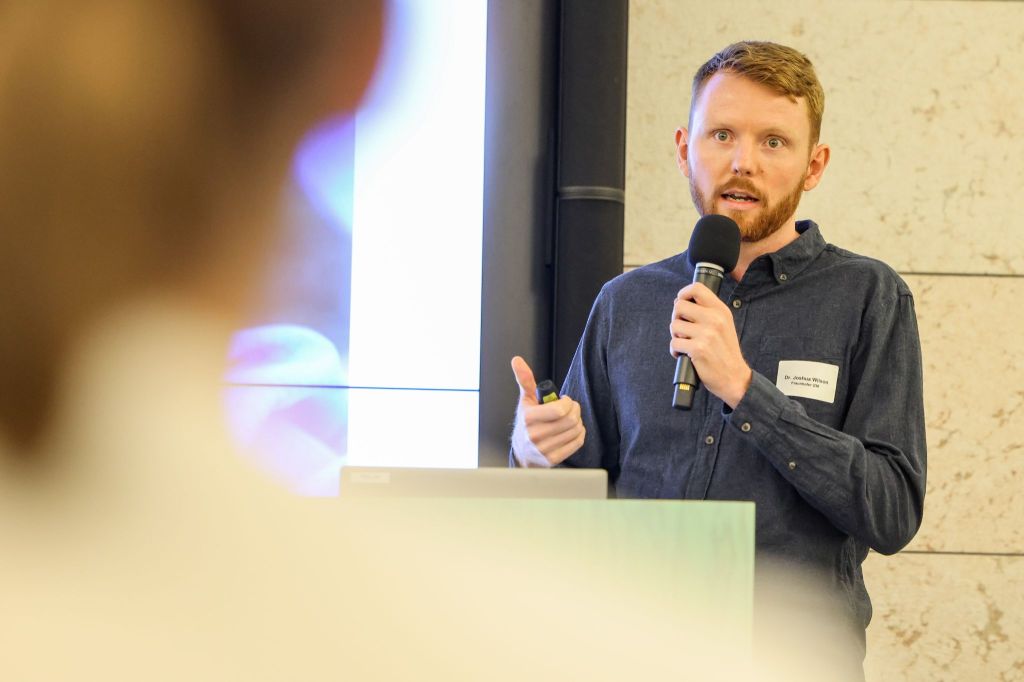
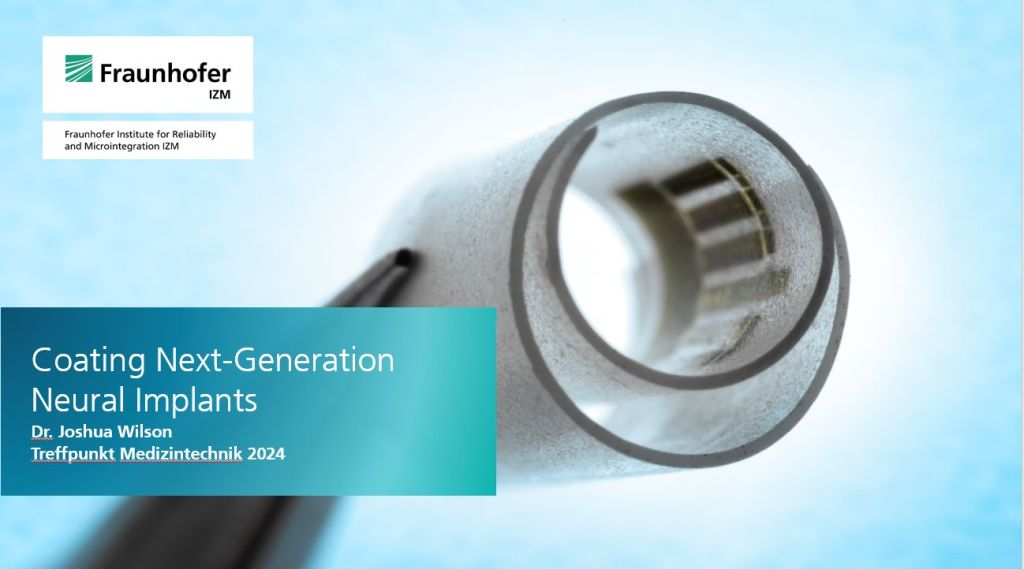
Josh Wilson shared insights into our work on packaging for next-generation neural implants at Treffpunkt Medizintechnik | Material Matters. The event highlighted exciting advances in material science across Berlin and Brandenburg and fostered engaging discussions at the intersection of research, technology, and healthcare.
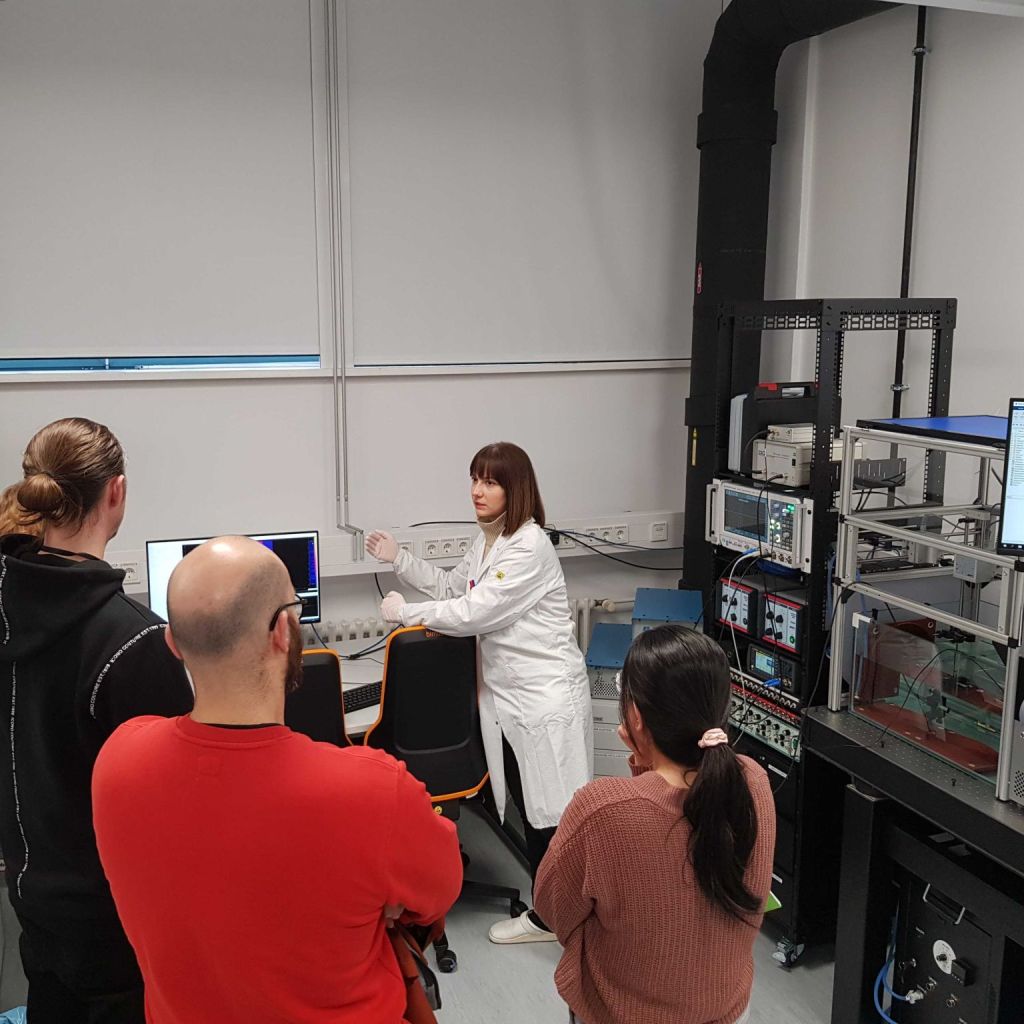
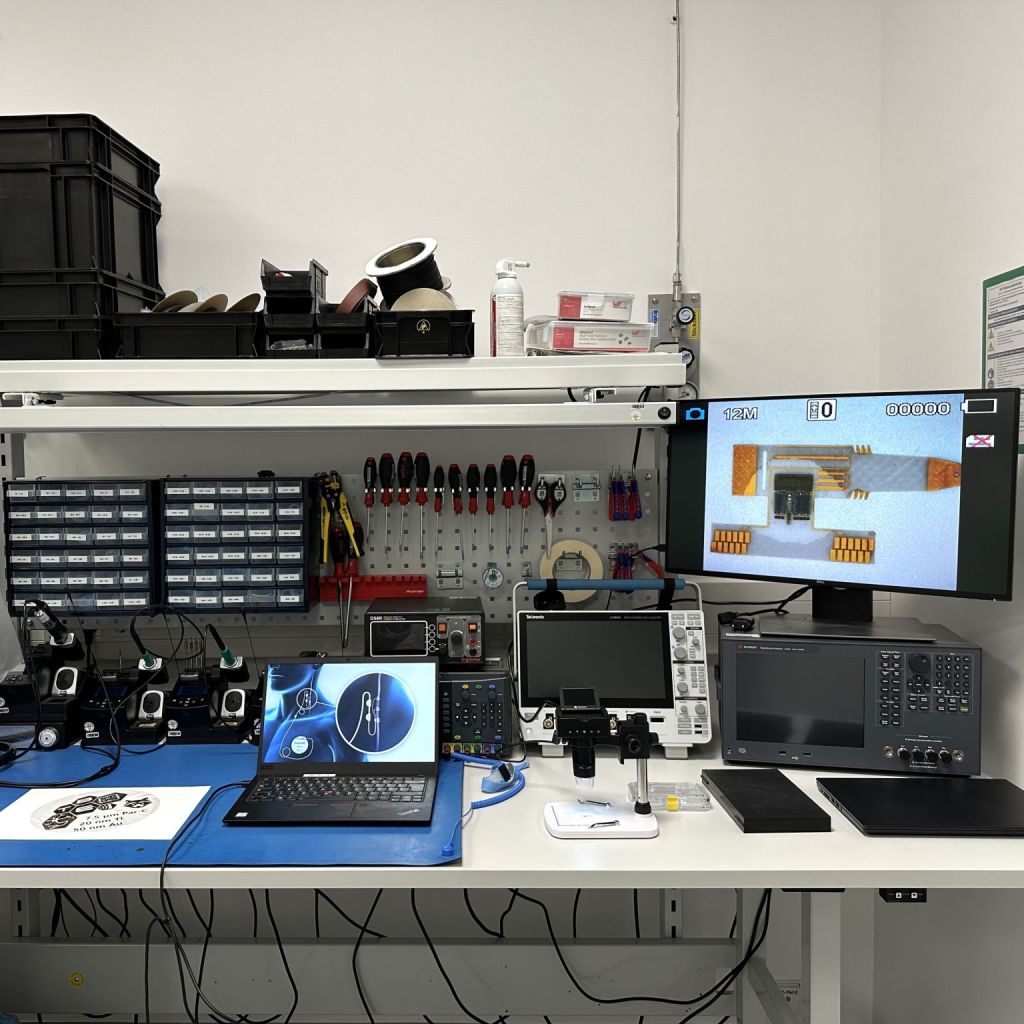
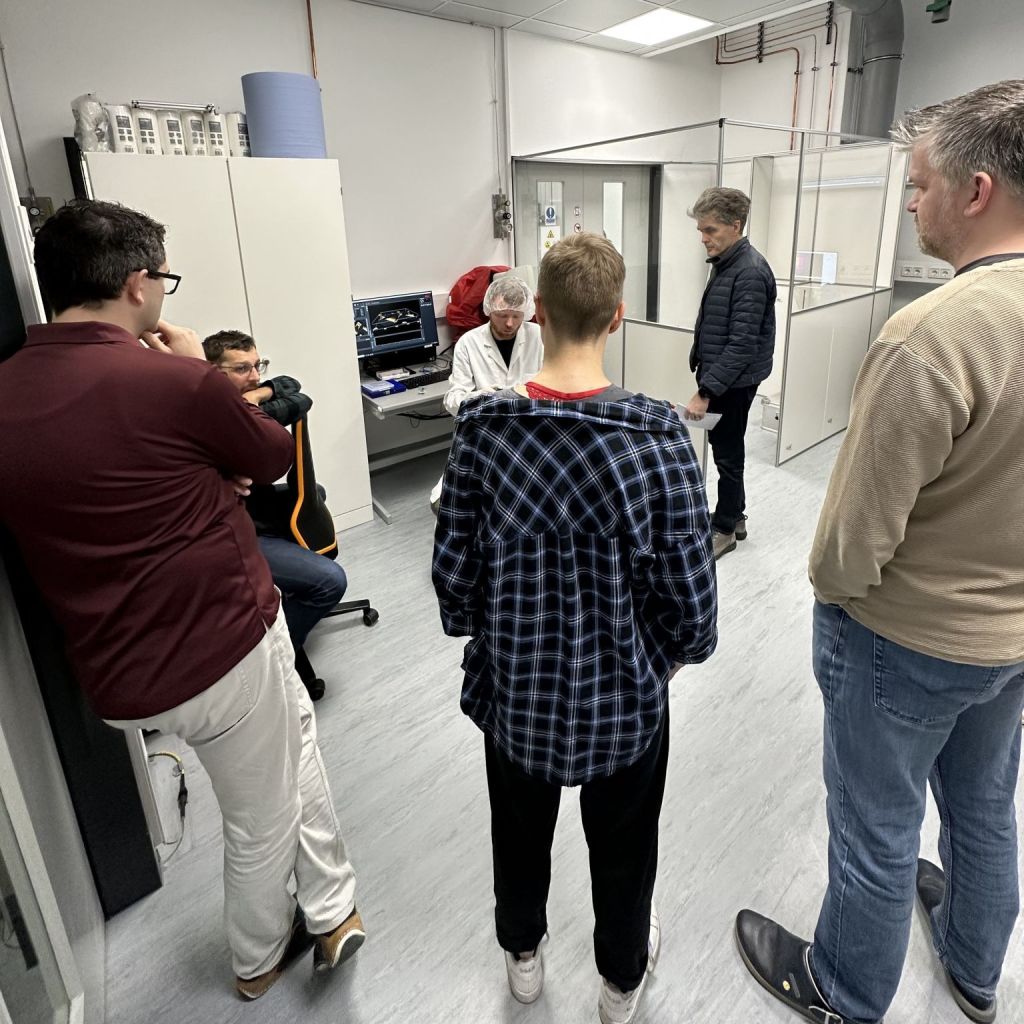
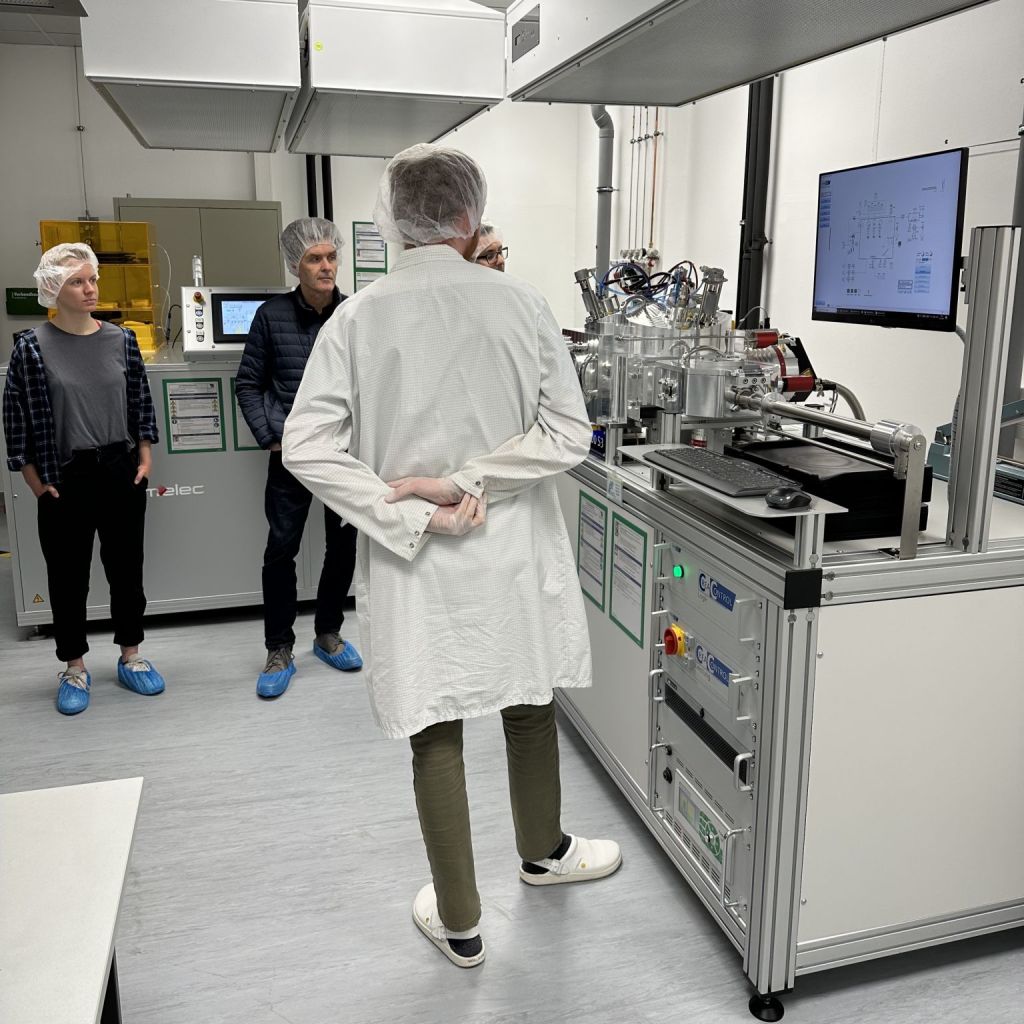
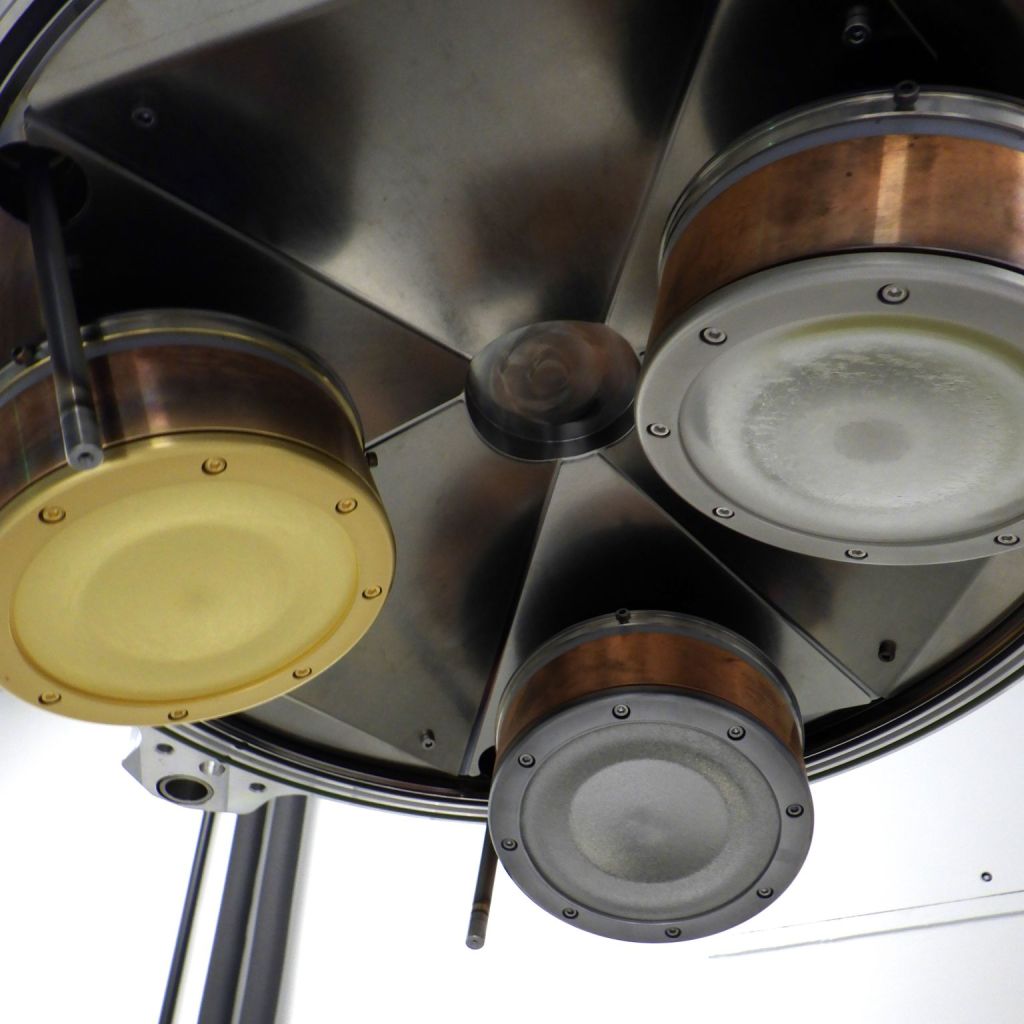
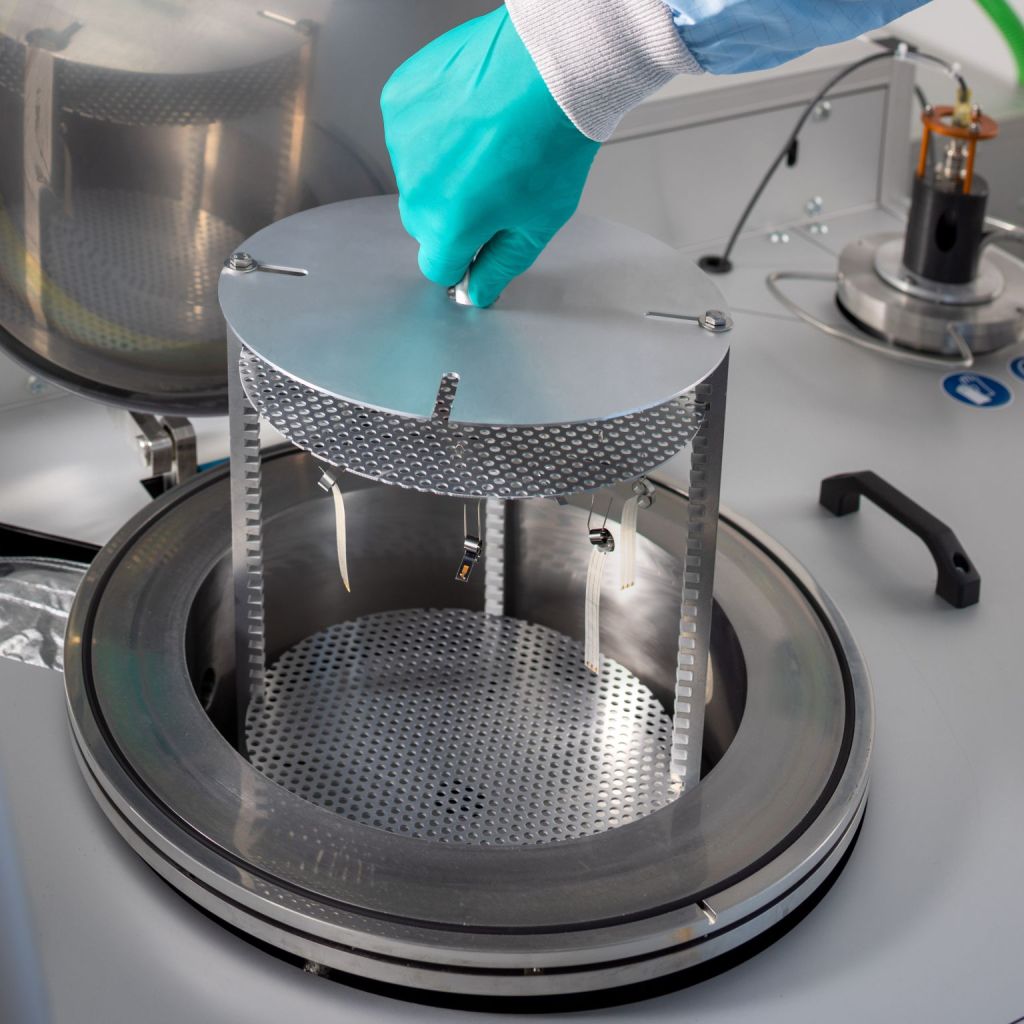
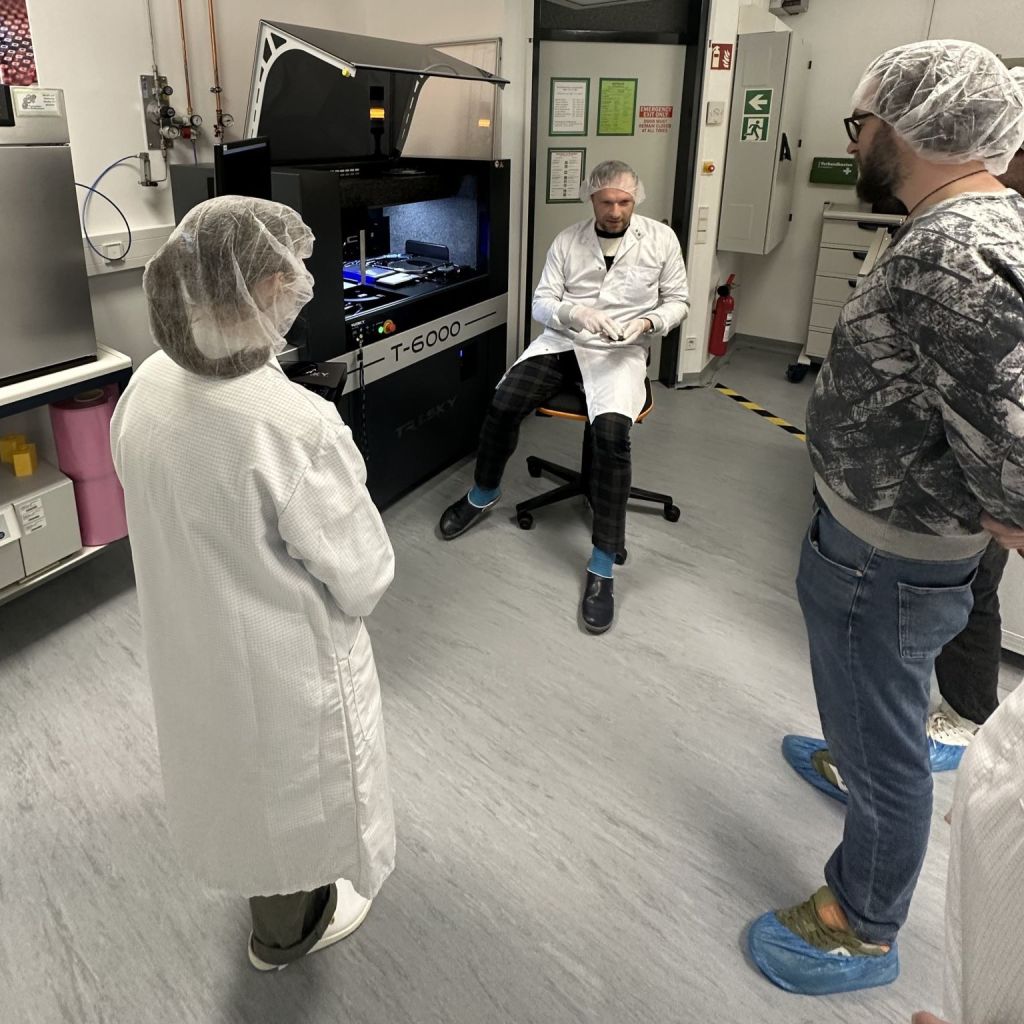
The Technologies for Bioelectronics Lab recently opened its doors to colleagues from across Fraunhofer IZM.
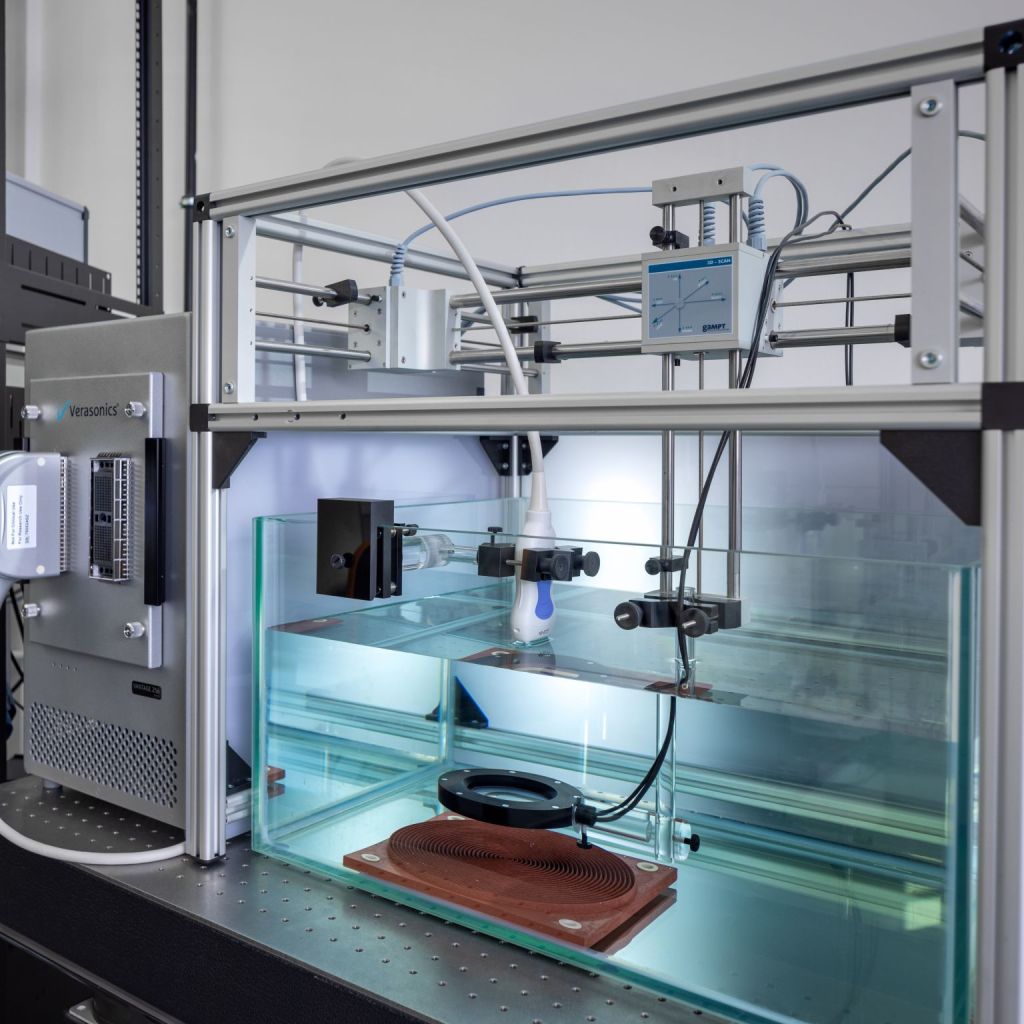
We had the opportunity to exchange ideas on research topics including ultrasound-based powering and communication, microfabrication, packaging, and microassembly, all of which represent core elements of our work on neural interfaces.
Thank you to everyone who visited and contributed to the engaging discussions!


 SoMa Lab